Smoke, Fruit and Seventy Per Cent: A Beginner's Guide to Whisky and Chocolate
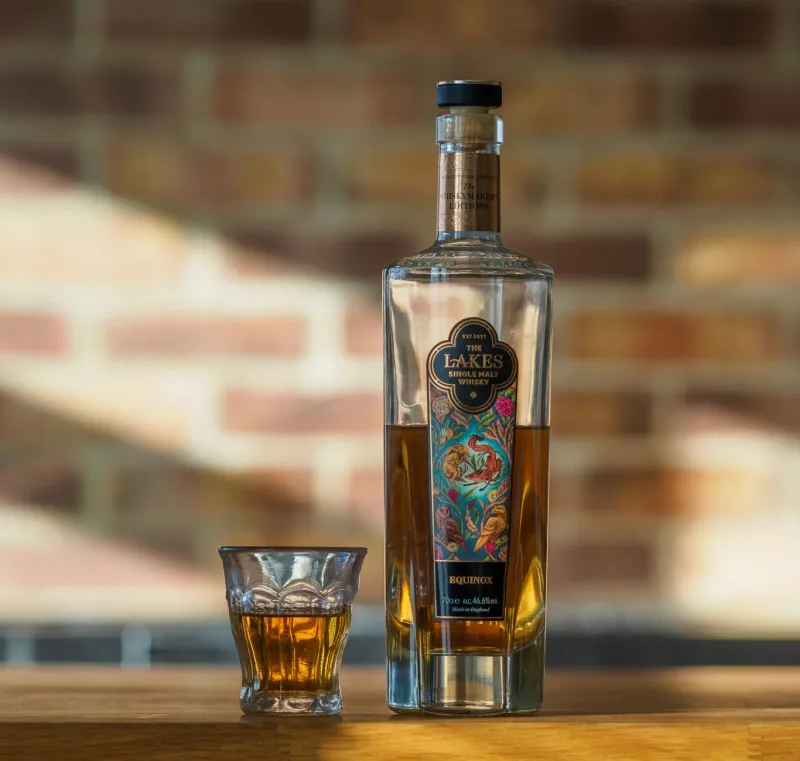
There is a certain kind of pairing advice that treats whisky and chocolate like a novelty act: a peat bomb slammed into a truffle, a cask-strength dram poured over ice cream, everyone pulling a face for the camera. That is not what we are doing here. Whisky and chocolate can be genuinely good together, but only if you stop thinking of the whisky as a sauce and the chocolate as a dessert. They are two strong characters. Give them both a chair.
Start with intensity, not flavour names
The first principle is weight. A delicate, honeyed Speyside will disappear against an 85% bar with assertive bitterness. A heavily peated Islay will flatten a soft milk chocolate. Match the power of the dram to the power of the cocoa, then worry about fruit, spice and smoke.
As a rough rule: milk chocolate and lower-cocoa bars (around 40–55%) suit lighter, fruitier whiskies. Mid-range dark chocolate (60–70%) sits happily with medium-weight single malts. High-cocoa bars (75% and up) need something with enough backbone — a coastal dram, a sherry cask, or a whisky with a bit of age.
Sweetness is the second dial
Chocolate brings sweetness; whisky usually brings a little too, from the cask and the spirit. If both are sweet, the pairing can turn cloying. If neither is, it can feel austere. The sweet spot is a gentle push and pull: a fruity, honeyed whisky with a bitter-edged dark bar, or a drier, smoky dram with a chocolate that has a touch of caramel softness.
Avoid flavoured chocolate for this exercise. Mint, orange, chilli and salted caramel are all fine on their own, but they fight the whisky and usually win. Plain dark, plain milk, and cocoa nibs are your friends.
Five pairings worth trying
Glenfiddich 12 with a 45–55% Ecuadorian milk chocolate. The whisky is gentle, pear-and-cream, and the chocolate has enough cocoa to stop it feeling like dessert. A good place to start if you are not sure whisky is your thing.
Aberlour 12 or Glenlivet 15 with a fruity 70% Madagascar bar. Sherry-cask softness and red-fruit notes meet the bright, almost cranberry edge of Madagascan cocoa. This is the pairing that convinces people.
Talisker 10 with a salted cocoa nib dark bar (around 65–70%). The pepper and sea-air smoke of Talisker love a bit of salt and crunch. Keep the chocolate portion small; this is a pairing that builds.
Highland Park 12 with a honeyed 60–65% bar. The whisky's heather honey and gentle smoke sit nicely with a chocolate that has a bit of roundness. Not a showstopper, just very pleasant.
Lagavulin 16 with an 80–85% bar. For the confident. The whisky is big, smoky and savoury; the chocolate needs to be big too. A small square is enough. Do not attempt this with a delicate bar, or the chocolate will vanish.
If you want a British bottle beyond Scotland, Penderyn Madeira Finish works well with a dried-fruit dark chocolate, and the growing English whisky scene — Cotswolds, for instance — offers softer, malt-led drams that suit milk chocolate surprisingly well.
A simple at-home method
You do not need a tasting mat or a spittoon. You need two small glasses, a glass of water, and a quiet twenty minutes.
- Let the chocolate come to room temperature. Cold chocolate tastes muted.
- Pour a small measure of whisky — 15–20ml is plenty. Add a drop of water if it feels fierce; it often opens up the aromas.
- Taste the chocolate first. Notice the texture, the bitterness, the finish.
- Taste the whisky. Then take a small piece of chocolate, let it begin to melt, and sip the whisky while the chocolate is still on your tongue.
- Pause. Drink some water. Try the next pair.
Work from light to heavy: milk chocolate and gentle whisky first, high-cocoa and smoky whisky last. Take notes if you like, but do not turn it into homework. The point is to notice what happens.
When to stop
The most common mistake is overdoing it. A peat monster with a delicate bar is not a bold choice; it is a waste of both. A cask-strength whisky at 60% ABV will steamroll most chocolate unless you add water. And a very sweet chocolate with a very sweet whisky will leave you reaching for something savoury.
Keep portions small, keep the chocolate plain, and keep the whisky honest. If a pairing does not work, say so and move on. That is what tasting is for. Whisky and chocolate are both expensive enough that pretending to enjoy a bad match is a poor use of an evening.