Beyond the Percentage: A Grown-Up's Guide to Loving Dark Chocolate
Dark chocolate has spent decades being sold to adults as a small act of discipline. You eat it because it is sophisticated, because it is lower in sugar, because someone once told you it was good for you. No wonder so many of us approach the dark stuff with a sense of duty rather than appetite. The 70% rule, as it is often repeated, sounds less like a tasting note and more like a test you either pass or fail.
But percentage is not a personality. It is a label, and a fairly blunt one at that. A 70% bar from one maker can taste bright, fruity and almost juicy; another can be dry, ashy and bitter in a way that feels like homework. If you have decided dark chocolate is not for you based on one disappointing square, you are probably judging the wrong thing.
Percentage Is a Label, Not a Personality
Cocoa percentage tells you how much of the bar comes from the cocoa bean — cocoa mass plus cocoa butter — with the rest made up of sugar, and sometimes a little vanilla or an emulsifier. A 70% bar sits in a useful middle ground: enough cocoa to taste properly chocolatey, enough sugar to keep the texture and flavour accessible. It is a sensible place to start if you are unsure, but it is not a guarantee of quality.
What actually shapes the taste is a chain of decisions: where the beans were grown, how they were fermented and dried, how they were roasted, how finely they were ground, and how long the chocolate was conched. Conching is the slow stirring and aerating that rounds off sharp edges and builds texture. A short conche can leave a bar lively and punchy; a long one can make it silkier and more mellow, sometimes at the cost of fruitiness. Small-batch makers often talk about conching times the way coffee roasters talk about roast profiles — because it changes the finished bar enormously.
Bitterness itself is not a virtue. Good bitterness has shape. It reminds you of espresso, dark beer or roasted nuts, and it sits alongside sweetness and acidity rather than flattening them. Bad bitterness is sharp and drying, and it seems to stick at the back of your throat. That is usually a clue that something in the process, or the bean, is not quite right — or simply that the bar is not to your taste.
How to Taste Without the Ceremony
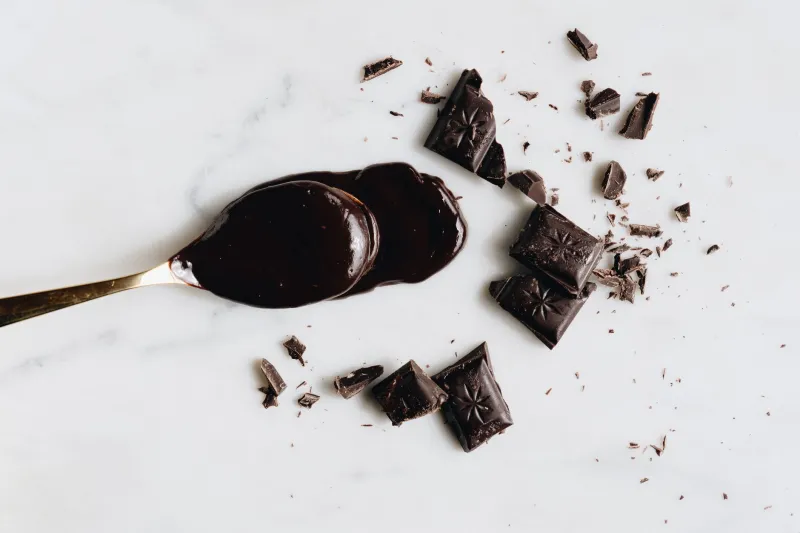
You do not need a tasting cape. Break off a piece and listen for a clean snap; that tells you the chocolate has been tempered properly. Rub it between your fingers and let it melt a little. Smell it before you eat it. Then take a small bite and let it sit on your tongue instead of chewing straight away. Notice the first impression, the middle and the finish. A good bar changes as it melts.
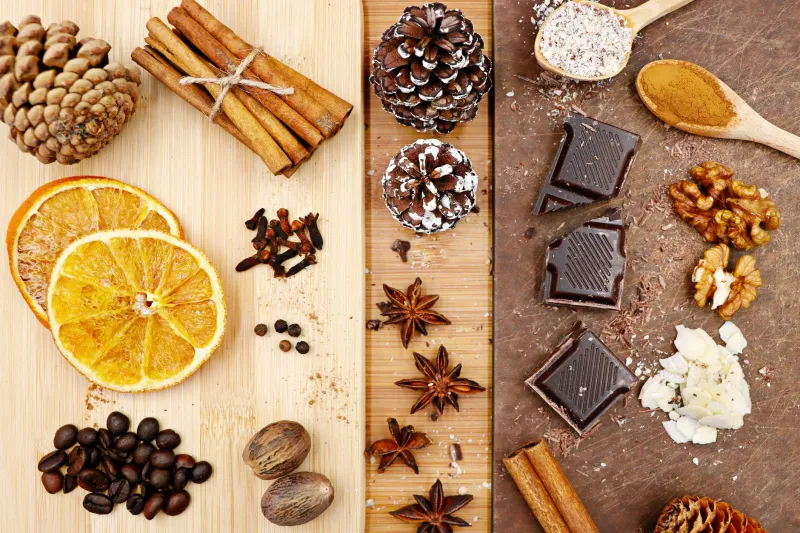
If you are comparing two bars, keep it simple. Have a glass of water and a plain cracker between them. Look for fruit — red berry, citrus, fig — or nuts, caramel, floral notes, earth, spice. Think about texture too: smooth, chalky, waxy, grainy. None of these words are right or wrong. They are just ways of paying attention.
The most useful habit is to stop grading yourself. If a bar makes you wince, that is information. It does not mean you have an unsophisticated palate. It means you have a palate.
What a Good 70% Bar Looks Like
A well-made bar usually has a clean sheen and a crisp snap. White bloom is not a disaster — it often means the chocolate has been stored somewhere warm — but it is not the look you want in a gift. Read the ingredients. For a craft bar, you are looking for cocoa mass, cocoa butter and sugar, perhaps vanilla. If vegetable fat or cocoa powder appears high on the list, you are probably looking at a different kind of product.
Origin is worth noticing, though not worshipping. Single-origin bars can show a sense of place; blends are often made for consistency. A 70% from Madagascar might taste citrus-bright, while one from Ecuador might feel softer and more floral. These are broad brushstrokes, not rules. The best way to learn is to try two 70% bars side by side and see which one you reach for again.
UK bean-to-bar makers have become genuinely good at this. You can find small-batch bars from Scotland, Wales, Yorkshire and London, often sold online or at farmers' markets. Ask for tasting notes. A good maker will tell you whether a bar is fruity, nutty or earthy, and whether it is a gentle introduction or a proper wake-up call.
The Everyday Grown-Up Pairing
Dark chocolate does not need to be saved for a black-tie occasion. A square with a mid-afternoon coffee is one of the better grown-up rituals, though it pays to choose a fruitier 70% if your coffee is very bitter. A piece after lunch, with a cup of Assam or a flat white, is not a ceremony. It is just a nice thing to do.
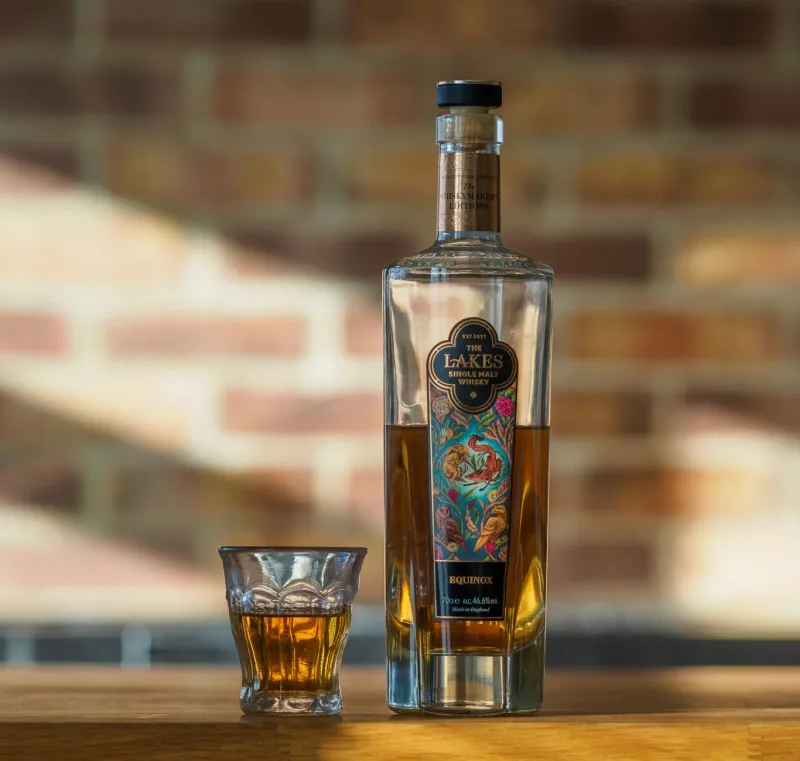
At the weekend, try it with a glass of red wine, a small measure of whisky or a negroni. On a cheese board, a 70% bar can hold its own against a mature cheddar or a blue, especially if there are dried figs or a few nuts nearby. Keep the bar somewhere cool and dry, let it come to room temperature before eating, and wrap it well once opened.
The point is not to build a cathedral of pairings. The point is to make dark chocolate part of normal life, rather than a test you occasionally subject yourself to.
Stop Grading, Start Noticing
The only useful rule is curiosity. Seventy per cent is a door, not a finish line. If you prefer 60%, eat 60%. If you love 85%, enjoy it. But if you have been avoiding dark chocolate because you thought adulthood required a certain amount of suffering, try a small-batch 70% with a bit of fruit and a long conche behind it. You may discover that the bitterness you disliked was never dark chocolate's fault. It was just a badly made bar.