Melt, Whisk, Sip: A Grown-Up's Winter Drinking Chocolate
There is a moment in early November when the weather turns and the only sensible response is a mug of something dark, warming and slightly serious. This is not the hot chocolate of childhood, with its pale powder and marshmallow mountain. This is drinking chocolate for grown-ups: melted, whisked and tasted properly.
The good news is that upgrading your mug does not require a laboratory or a restaurant kitchen. A saucepan, a whisk and a decent bar of chocolate will get you most of the way there. The rest is about knowing what you like and being willing to taste as you go.
Start with chocolate, not powder
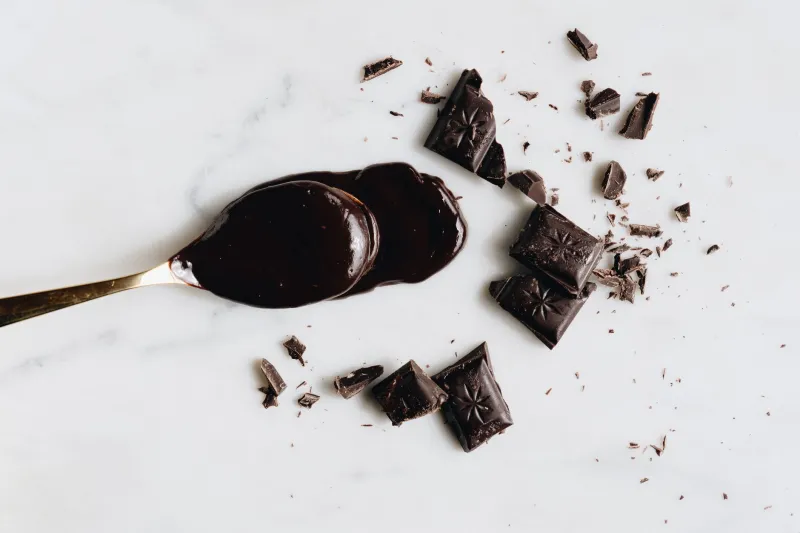
The biggest upgrade is the simplest: use real chocolate rather than cocoa powder. Cocoa powder has its place, but it lacks the cocoa butter that gives melted chocolate its roundness and body. For a 250ml mug, start with 30g to 40g of chopped dark chocolate. More chocolate makes a thicker, more intense drink; less makes something lighter and more sippable.
Melt the chocolate gently with a little of the milk first, stirring until it forms a smooth paste, then add the rest of the milk and warm through. Do not let it boil. If you are making several mugs, a small jug set over a pan of simmering water works well, or you can heat everything slowly in a saucepan and whisk hard just before serving.
Whole milk gives the richest result, but semi-skimmed works fine. Oat milk is a good dairy-free option, especially the barista-style versions, though it will add its own oaty sweetness. Taste after mixing and adjust.
The percentage question
Cocoa percentage changes the drinking experience more than most people expect. A 60% to 70% dark chocolate usually gives a good balance: enough intensity to feel grown-up, enough sugar to keep the drink from tasting harsh. Above 70%, the cocoa flavour becomes more dominant and the sweetness drops away. That can be wonderful in a small cup after dinner, but it can also taste austere if you are used to sweeter hot chocolate.
If you go for an 80% or 85% bar, consider adding a little more milk or a small pinch of sugar. There is no prize for suffering. The aim is a drink that tastes balanced, not punishing.
Single-origin chocolate is where things get interesting. A Madagascan bar often brings red fruit and citrus notes; Ecuadorian chocolate can taste nutty and floral; Peruvian bars may lean towards dried fruit and cocoa. These notes do not disappear in milk, though they soften. Try two bars side by side and you will notice the difference.
Spices that earn their place
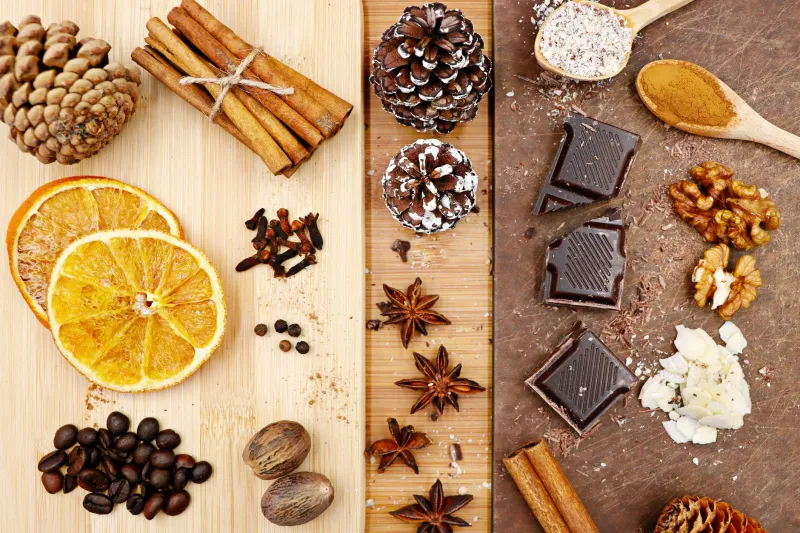
Spices should support the chocolate, not fight it. Cinnamon is the safest starting point, but use it with a light hand. A small piece of cinnamon bark infused in the milk for five minutes gives a rounder flavour than a heavy shake of ground cinnamon. Cardamom works beautifully with dark chocolate, especially if you crush a couple of pods and infuse them in the milk. A tiny pinch of chilli can add warmth without heat, and freshly grated nutmeg is lovely over the top.
Ginger is another good option, particularly with a higher-percentage bar. Star anise can be too dominant if left too long, so infuse it briefly and taste as you go. A strip of orange zest is not strictly a spice, but it is one of the best additions you can make: citrus lifts the cocoa and makes the whole mug feel brighter.
Spirits, carefully
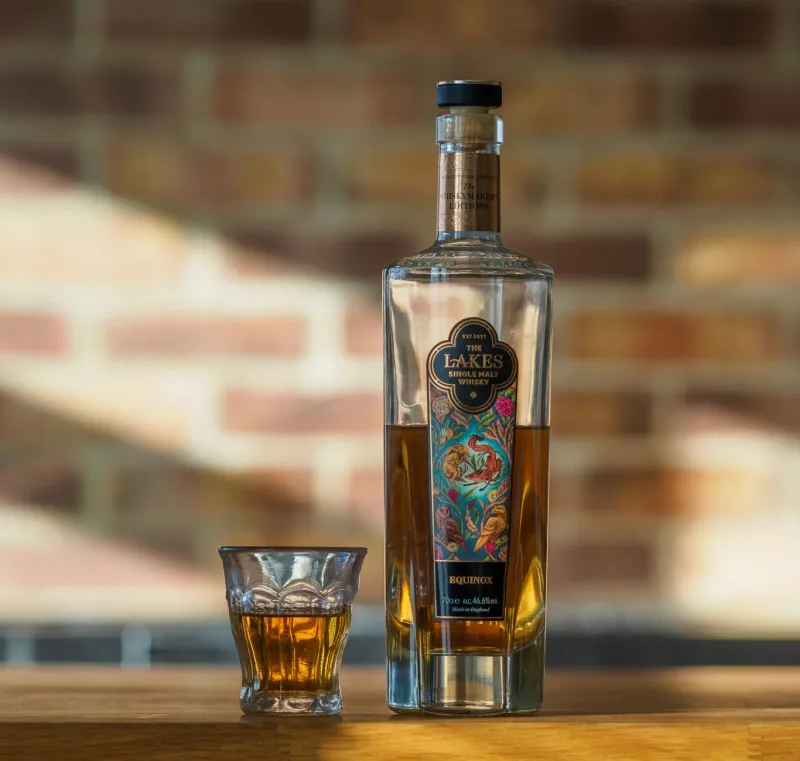
A splash of spirits can turn a good mug into a great one, but the key word is splash. Add alcohol off the heat, after the chocolate has melted and the milk is warm but not boiling. Brandy is the classic choice, bringing dried fruit and warmth. Dark rum works well with chocolate that has banana or tropical notes. Whisky can be excellent with a smoky or nutty bar, though it can overpower a delicate one. Orange liqueur is a natural partner for dark chocolate and a little goes a long way.
Start with a teaspoon per mug and taste. You can always add more, but you cannot take it out. Cream liqueurs are best avoided unless you want a very sweet drink; they tend to flatten the cocoa flavour.
Easy upgrades for cosy November evenings
A pinch of sea salt is perhaps the most underrated addition. It does not make the drink salty; it makes the chocolate taste more like itself. A few drops of vanilla extract can round off sharper notes. Whipped cream is fine, but try whipping it with a little cocoa powder and a teaspoon of sugar for a grown-up finish.
If you want to make the ritual easier, prepare a drinking chocolate concentrate in advance. Melt 200g of chopped dark chocolate with 200ml of water or milk, cool, and keep it in the fridge. To serve, stir two or three tablespoons into a mug of hot milk. It keeps for a week and makes a very good case for staying in.
UK artisan chocolate to look for
You do not need a famous name to make good drinking chocolate, but UK bean-to-bar makers are worth seeking out. Pump Street Chocolate in Suffolk, Willie's Cacao in Devon, Chocolarder in Cornwall, Bare Bones in Glasgow and Dormouse in Manchester all make bars that work well in a mug. Look for bars with cocoa mass, cocoa butter and sugar at the top of the ingredients list, and avoid anything with vegetable fats standing in for cocoa butter.
A simple place to start
Warm 250ml whole milk with a small piece of cinnamon bark and a strip of orange zest. When it is steaming, take it off the heat, add 35g of chopped 70% dark chocolate and whisk until smooth. Add a tiny pinch of salt, taste, and add a teaspoon of brandy if you fancy it. Strain into a mug and drink while it is hot.
That is the whole trick: good chocolate, gentle heat and a willingness to taste. The rest is just November.