Where the Beans Land: Six British Chocolate Makers Worth Planning a Weekend Around
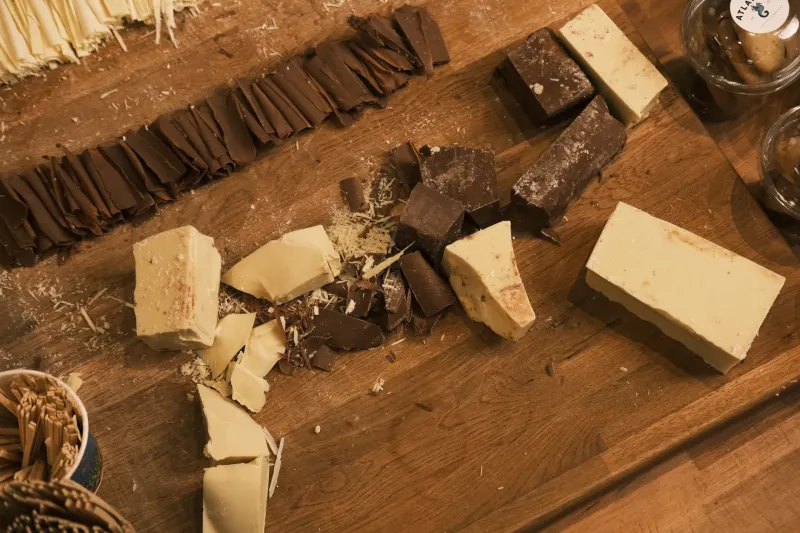
There's a particular kind of pleasure in buying chocolate from the person who made it, in the room where it was made, with the smell of roasted cocoa still hanging about. It's not sentimentalism — it's information. You learn more about a bar in four minutes of conversation across a counter than you do from a paragraph of tasting notes printed on the wrapper.
Britain has quietly built a proper little network of these places. Not factories with visitor centres and a car park, but workshops: converted barns, railway arches, a former chippy, a unit on an industrial estate with the door propped open. The trick is to treat them as destinations rather than shops. Below are six worth the detour, plus some thoughts on how to string a couple together without turning your weekend into a logistics exercise.
Check opening hours before you travel. Small makers run on small teams, and autumn and winter hours shift with markets, wholesale deadlines and the occasional need to actually make chocolate.
Pump Street — Orford, Suffolk
Orford is one of those Suffolk coast villages that feels like it's been deliberately kept small. The bakery came first, and the chocolate followed, which explains why the bars have a certain baker's instinct about them — restrained, precise, allergic to showing off.
What to taste: anything with a bread note. Their sourdough and sea salt bar is the obvious starting point, but the single-origin dark bars are where the real interest lies. Ask what's newest.
Why it's worth the drive: you can walk to the oysterage afterwards, and the village is small enough that the whole trip takes an afternoon without feeling rushed. Combine with Aldeburgh or Snape if you're making a day of it.
Chocolarder — Falmouth, Cornwall
A Cornish maker working from a workshop in Falmouth, roasting and grinding beans in-house and doing the slow, unglamorous parts of the process properly. The house style leans bright and clean rather than heavy.
What to taste: whatever the seasonal bar is. They have a habit of working with local ingredients that aren't novelty for novelty's sake — honey, sea salt, hedgerow fruit.
Why it's worth the drive: Falmouth in November is grey, salty and pleasantly empty, and there's a decent chance of a coffee and a pasty within walking distance. The sleeper train from London to Penzance makes a car-free version of this entirely possible.
Bullion — Sheffield
Steel city, chocolate workshop, satisfying symmetry. Bullion roast and stone-grind in small batches and have built a following on single-origin dark bars with real backbone.
What to taste: a high-percentage bar from a region you've never tried. This is the sort of place where the staff will happily talk you through the difference between two origins side by side, and where the answer to "which is better?" is genuinely "neither".
Why it's worth the drive: Sheffield is a good eating city, and a morning in the workshop followed by a long lunch is a very reasonable use of a Saturday. The Peak District is twenty minutes out if you want to walk it off.
Bare Bones — Glasgow
A small Glasgow operation making bars with the kind of blunt, no-nonsense presentation that suggests confidence rather than budget. The chocolate is textured and direct — none of the whispery subtlety that some makers chase.
What to taste: the milk chocolate, if they have it. It's the sort of bar that converts people who claim not to like milk chocolate, usually because it tastes of cocoa rather than sugar.
Why it's worth the drive: Glasgow rewards a full day regardless, and a chocolate stop sits neatly between a gallery and dinner. Wrap up warm — the good stuff is not always in the warm part of the building.
The Chocolate Tree — Edinburgh
One of the longer-established names in British bean-to-bar, working from a shop and workshop in Bruntsfield with an emphasis on organic beans and careful sourcing.
What to taste: a flight, if they're pouring. Their hot chocolate is a genuinely grown-up article — bitter, thick, and nothing like the powdered stuff.
Why it's worth the drive: Bruntsfield is a fine place to spend an afternoon, and Edinburgh in the run-up to Christmas is worth the crowds if you go early enough in the day.
Solkiki — Dorset
A vegan-focused maker with a serious technical streak. The white chocolates in particular are the sort of thing that makes people re-examine their assumptions about what white chocolate is for.
What to taste: something you would never buy for yourself. That's the point of visiting rather than ordering online — the willingness to try the odd thing.
Why it's worth the drive: the Dorset coast, out of season, is one of the better arguments for owning a car in Britain.
Building the weekend
Two makers in one day is plenty. Three is a mistake — your palate dulls, your notes get sloppy, and you end up buying on enthusiasm rather than judgement.
A sensible pattern: one maker in the morning, a long lunch, a second maker mid-afternoon, then stop. Buy a bar from each to open at home a week later, when you've stopped being charmed by the visit. That's when you find out what you actually thought.
What to ask
Ask what's changed recently — this year's roast, a new origin, a reformulated bar. Ask how they'd describe the finish. Ask what they'd buy from the maker down the road. You'll get a straight answer, and you'll learn more in five minutes than from an hour of reading.
And bring a cool bag. Chocolate in a warm car on the A303 in the afternoon is a tragedy you can easily avoid.