The Christmas Pudding Edit: Where Dark Chocolate Earns Its Place
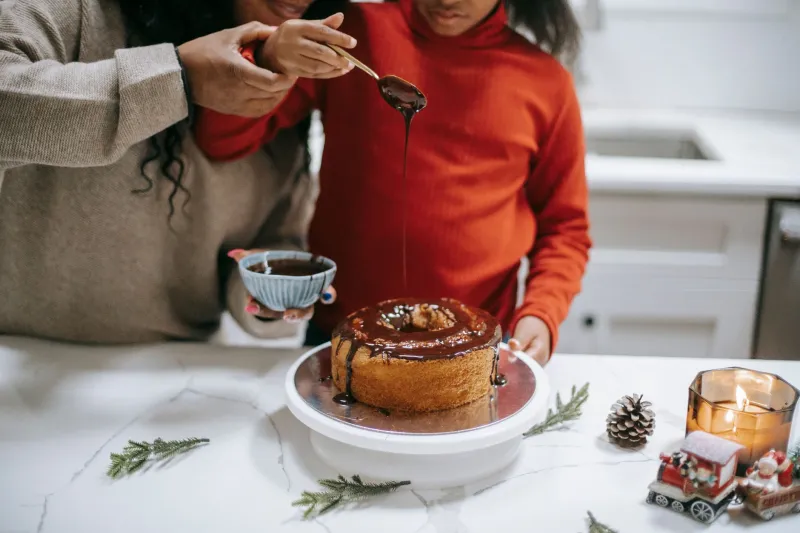
With Stir-Up Sunday falling on 22 November in 2026, kitchens across the country will be filled with bowls of dried fruit, citrus zest, mixed spice and something alcoholic. The Christmas pudding is a patient sort of project. You stir it, cover it, steam it and then mostly leave it alone until December.
This year, before the pudding goes into its cloth or basin, consider the chocolate question. Not as a novelty. Not as a replacement for brandy butter. As a grown-up addition that can make the dried fruit taste brighter and the spice taste deeper.
Why chocolate and Christmas pudding make sense
Dried fruit and cocoa share a flavour lane. Raisins, prunes, figs and dates all have a dark, chewy sweetness that sits naturally beside the roasted bitterness of cocoa. Mixed spice - cinnamon, nutmeg, clove, a little pepper - loves chocolate too. And the booze, whether brandy, rum or stout, gives the whole thing a fermented, fruity edge that dark chocolate can either echo or cut through.
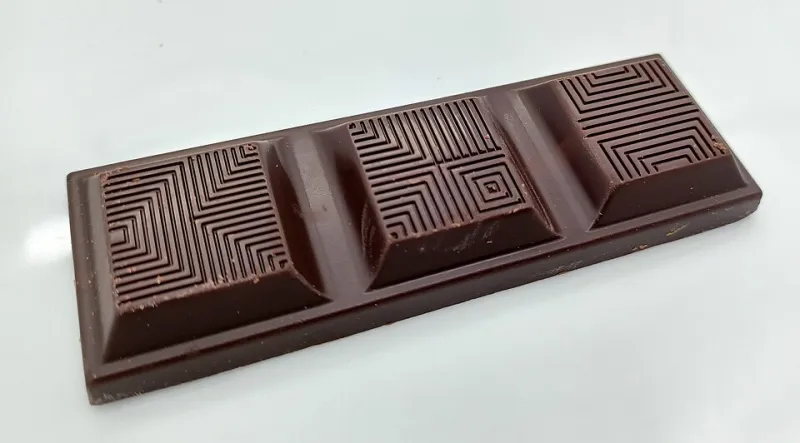
The trick is choosing the right bar. A 70% dark with red-fruit and roasted notes is more useful here than an 85% that bulldozes everything in the bowl. Milk chocolate can work, but it needs a higher cocoa content and less sugar; a very sweet bar will simply add another layer of sweetness to a pudding that already has plenty. Taste the chocolate on its own first. If it feels sharp or dull now, it will not improve once it meets a spoonful of pudding.
Grated into the pudding: the background note
This is the quietest option and often the most successful. Add 30-50g of finely grated dark chocolate, somewhere between 65% and 75%, to a standard 1kg pudding mix. Grate it on the coarse side and fold it in with the dried fruit. It will not turn your Christmas pudding into a chocolate pudding. It adds depth, a slight bitterness and a darker colour, rather like adding a spoonful of cocoa to a chilli.
Use chocolate you would happily eat on its own. If the pudding already includes stout, the chocolate will echo that roasted note. If it includes brandy, the chocolate will round off the edges. Do not add extra sugar to compensate. The pudding has enough.
Melted over: the sauce question
A chocolate sauce can be too much with Christmas pudding, especially if brandy butter is also on the table. The answer is a loose sauce, served in a small jug rather than flooded over the plate.
Melt 100g of 70% dark chocolate with 100ml of double cream and a pinch of sea salt. Add a splash of brandy or a little orange zest if you like. Warm it gently and keep it thin enough to pour. The pudding should still taste like pudding, not like a chocolate dessert that has wandered into the wrong room.
If you are serving clotted cream as well, keep the sauce light. If you are serving brandy butter, consider offering the chocolate sauce as an alternative rather than an addition. Restraint is the grown-up move here.
Shards alongside: texture and contrast
A shard of dark chocolate gives you something the pudding cannot: snap. Make thin shards by melting 150g of 70% dark chocolate, spreading it thinly on parchment and scattering with sea salt or a little candied orange peel. Let it set, then break it into rough pieces.
Serve one or two shards per person beside a slice of pudding. They offer a crisp contrast to the soft, crumbly texture of the pudding and a clean bitter edge against the sweetness. A thin shard with a high cocoa content and a little salt is far better than a thick chocolate shell. Make them in advance and keep them somewhere cool.
Tasting notes for the bowl
When you taste Christmas pudding with chocolate, look for four things. First, the dried fruit: raisin, prune, fig, date. Second, the spice: cinnamon, clove, nutmeg, mixed spice. Third, the booze: brandy, rum, stout. Fourth, the cocoa: roasted, bitter, dried fruit, a little smoke.
A good match makes the fruit taste brighter, not just sweeter. If the chocolate dominates, use less next time. If the pudding tastes flat, a slightly sharper bar with red-fruit notes can help. A very bitter 85% can make the pudding taste metallic, so tread carefully.
Three grown-up serving suggestions for the run-up
For Stir-Up Sunday itself, keep it simple. Make the pudding, then taste a square of the chocolate you plan to use alongside a spoonful of mincemeat. It is not the same thing, but it will tell you whether the chocolate is too sweet, too bitter or about right.
For a Christmas Eve plate, serve a small slice of cold pudding with a single chocolate shard and a little brandy butter. Cold pudding is underrated. The chocolate gives it a clean, bitter edge.
For Boxing Day, fry thick slices of leftover pudding in a little butter until crisp at the edges. Serve with the chocolate sauce from above, slightly warmed, and nothing else. It is a small, rich, very British treat that feels far more grown-up than another selection box.
A note on restraint
Chocolate can flatter Christmas pudding or flatten it. It is a seasoning as much as a dessert. Use less than you think, taste as you go and choose a bar with enough bitterness to cut through the fruit and booze.
The best grown-up chocolate moment at Christmas may not be a chocolate fountain or a chocolate-covered everything. It may be a small square after pudding, or a shard beside a slice, or a quiet spoonful of sauce that makes the whole bowl taste more like itself.