Cool, Dark and Patient: How to Keep Serious Chocolate in a British Kitchen
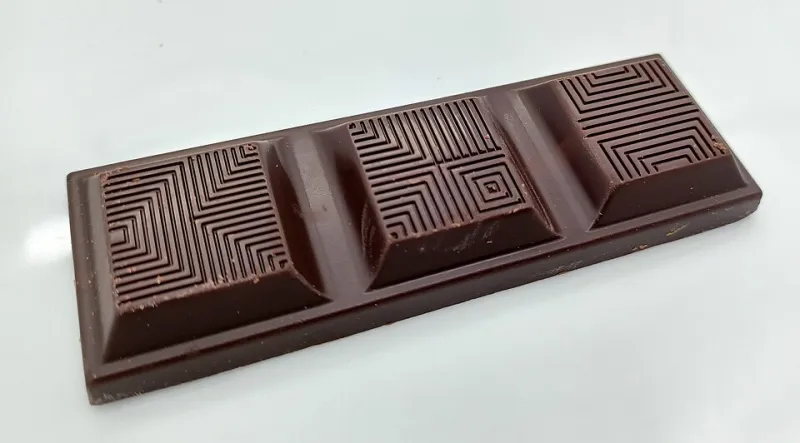
Photo: Mx. Granger, CC0, via Wikimedia Commons
There is a particular kind of disappointment that comes from opening a cupboard in early February and finding a once-glossy bar of 70% has turned the colour of an old tea towel. It has not gone off, necessarily. It has simply been stored badly. If you keep chocolate you actually care about — the sort you buy for tasting rather than inhaling in front of the telly — a little kitchen discipline goes a long way. Less clutter, better cocoa, and a small, reliable stash ready for the doorbell.
The fridge is not the answer (most of the time)
The instinct to refrigerate chocolate is understandable. British kitchens swing between chilly and tropical, sometimes in the same week. But a domestic fridge is a humid, odour-filled environment, and chocolate is a magnet for both. Bring a cold bar into a warm room and condensation forms on the surface. That moisture can dissolve sugar at the surface, which later re-crystallises as a gritty, dull film. Worse, the fridge's leftover aromas — last night's curry, an open packet of mature Cheddar — find their way into cocoa butter with alarming ease.
The freezer is a slightly different case. For long-term storage of baking chocolate, it can work, provided you wrap it tightly in several layers and let it come back to room temperature before unwrapping. But for bars you plan to taste, the freezer is a blunt instrument. It interrupts the texture and does nothing good for delicate aromatics.
What chocolate actually wants
The ideal is boringly simple: a cool, dark, dry place, roughly 18–20°C, away from direct sunlight, radiators, ovens and strongly scented things. A cupboard in an internal wall is better than a shelf above the kettle. A Victorian larder would have been perfect. A modern kitchen cupboard, away from the hob, is usually fine.
Wrap bars in their original foil and paper, or in greaseproof paper inside a tin. Airtight plastic is less useful than it sounds — chocolate benefits from a little breathing room, and a sealed tub can trap moisture if the kitchen gets steamy. Keep dark, milk and white separate if you are being fussy; the milk will pick up the dark's assertive notes over months, not days, but it happens.
Bloom, in plain English
That pale, chalky surface is called bloom, and it is almost never a sign of spoilage. There are two kinds. Fat bloom happens when cocoa butter separates and migrates to the surface, usually after temperature swings; the bar looks dusty, sometimes faintly streaky, and the texture turns waxy. Sugar bloom is moisture-driven: sugar dissolves on the surface and re-crystallises as a rough film. Both are cosmetic. The chocolate is safe to eat.
What bloom tells you is that the bar has had a rough time. It may still taste perfectly good, though the texture will be less than ideal. Do not panic. Do not throw it away. Read on.
Which bars reward a little ageing
Serious dark chocolate — plainly made, high in cocoa, no fillings — can soften and settle with a few months in a cool cupboard. The harsh edges of very fresh, high-percentage bars sometimes round off; the fruit notes in a single-origin Madagascar bar can deepen. This is not wine ageing, and the changes are subtle. Think of it as letting a bar relax rather than transforming it.
Good candidates are plain dark bars from 65% upward, especially single-origin ones, and especially those with no inclusions. Less good: milk chocolate, white chocolate, anything with nuts, caramel, fruit or a soft ganache centre. Filled chocolates should be eaten within their date and kept cool. If a bar has a best-before date, respect it; ageing is a short game of months, not years.
A practical approach: buy two bars of the same dark chocolate. Taste one now. Put the other in a labelled paper bag in the cool cupboard and taste it in three months. You will learn more from that than from any chart.
Rescuing the pale or the crumbly
If a bar has bloomed but still smells fine, you have options. For eating out of hand, grate it over porridge or ice cream, where the texture matters less. For baking, melt it gently and use it in brownies, ganache or a hot chocolate. If you want to restore gloss, you can temper it — melt two-thirds, cool, add the remaining third, stir patiently — but be honest with yourself about whether that is a job you want on a Tuesday night. Sometimes the better rescue is a saucepan.
Crumbly, dry chocolate is usually just old or badly stored. It will not come back. Use it in a chocolate tart filling, a batch of biscuits, or a sauce where it is melted with cream and butter. Do not serve it on a tasting plate to guests and hope they won't notice. They will.
The small-stash principle
A grown-up larder is not a chocolate museum. Keep a modest rotation: one bar for everyday, one for guests, one that is genuinely good and left alone. Buy less, buy better, and store it where you will actually find it. A tin in the cool cupboard, a paper bag labelled with the date, a note of what is what — that is the whole system.
The reward is small but real: a bar that snaps properly when someone unexpected arrives, and a kitchen that feels a little more considered. Chocolate is not a precious artefact, but it does deserve better than the top of the fridge.