A Pinch of Bitterness: Dark Chocolate's Quiet Life in the Savoury Kitchen

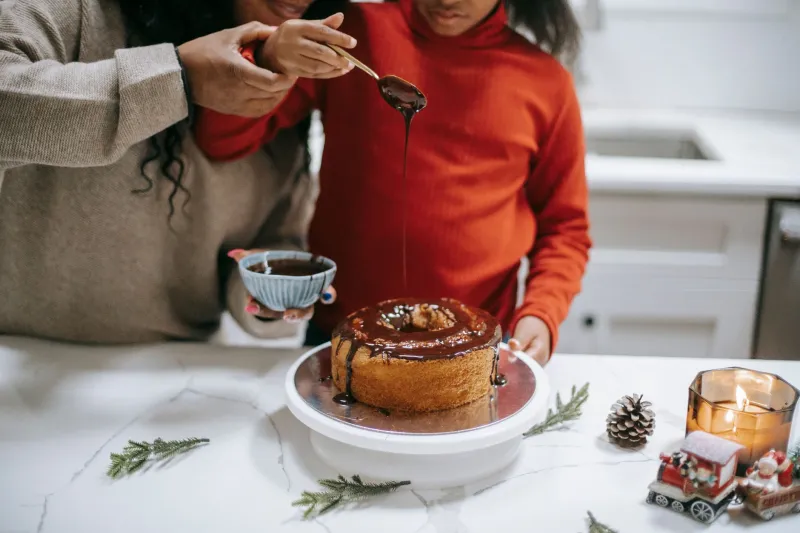
Photo by Photo by Pablo de Arriba on Unsplash on Unsplash
November is when the game arrives, the mushrooms get serious and the oven goes on at four in the afternoon. It's also when a block of dark chocolate, bought for some half-forgotten baking plan, sits in the cupboard doing nothing.
Time to put it to work. Not as a dessert shortcut, but as an ingredient with bitterness, acidity and depth — closer to a spice cupboard than a sweet one.
Choose a bar you wouldn't necessarily eat on the sofa
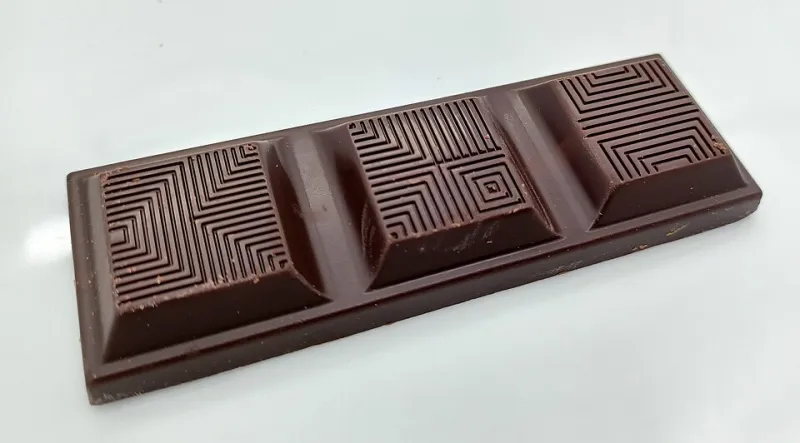
For cooking, go high: 70% and above, ideally 80–85%. You want cocoa solids doing the work, not sugar. Supermarket own-label 70–85% bars from the major UK chains are entirely up to the job, as are the ends and offcuts of anything better you've been nibbling at.
Two things to avoid. Compound 'cooking chocolate', which is often vegetable-fat-based and behaves quite differently in a pan. And anything with a heavy hand of vanilla, which reads as sweet and perfumed once the onions go in.
Cocoa powder is the other workhorse. Check the tin says cocoa powder, not drinking chocolate — the latter is cocoa with sugar and often milk powder already in it. Cocoa nibs, the crushed roasted beans, are worth keeping in the cupboard too: they bring crunch and a clean, bitter, roasted note that powder can't.
Cocoa as a spice, not a pudding
Start small. A teaspoon of cocoa powder whisked into a spice rub for lamb or a tray of squash, a pinch stirred into a chilli, a little dusted over fried shallots. It behaves like paprika's moodier cousin: earthy, faintly sour, with enough tannin to give a sauce some grip.
Nibs are for texture. Scatter them over roast cauliflower with sea salt, fold them into a coarse crust, or grind them with pepper for the edge of a steak. They stay crunchy when everything else has gone soft, and they taste of the bean rather than of sugar.
A weeknight mole, more or less
Real mole poblano is a day's work and upwards of twenty ingredients. This is a nod to it, built for a Tuesday, and it will serve four.
Toast two dried anchos and one guajillo in a dry pan for about thirty seconds a side — until they smell nutty, not scorched. Soak them in just-boiled water for fifteen minutes. Meanwhile soften an onion and three garlic cloves in oil, then add 40g of flaked almonds, 20g of raisins, a pinch of cinnamon, a clove, a little cumin and 400g of passata. Simmer ten minutes, add the drained chillies, then blitz to a thick paste with 400ml of stock.
Return it to the pan and cook it down for twenty minutes or so. Then take it off the heat and stir in 25g of chopped 85% chocolate until it disappears into the sauce. Finish with salt and a splash of cider vinegar — the vinegar matters, because it lifts the whole thing.
It's good over chicken thighs roasted with salt, and better still spooned over mushrooms and a soft polenta.
Cocoa-nib crusts, for game and vegetables alike
Crush two tablespoons of nibs with a teaspoon of coarse sea salt, plenty of black pepper and a pinch of demerara. Press the mixture onto the flesh side of venison haunch or partridge breasts, or onto thick slices of celeriac for a meat-free version. Sear it hard for a minute or two, then finish in a hot oven or the pan.
The nibs toast further as they cook and turn almost coffee-like. They won't soften into the meat, which is the point.
The enriched sauce that does the most work
This is the one to learn by heart. Soften two shallots in butter with thyme and a couple of crushed juniper berries. Add a glass of red wine and reduce by two-thirds. Add 300ml of good stock — chicken, beef or a mushroom stock — and reduce again until it's slightly syrupy. Strain it if you want it smart.
Now take the pan off the heat. Whisk in 20g of finely chopped 85% chocolate, then a knob of cold butter, and taste. Salt, a drop of vinegar, done. The chocolate doesn't make it sweet; it makes it dark and rounded, like a sauce that's been simmering for hours longer than it has.
For a mushroom version, use the soaking liquid from a handful of dried porcini and a splash of Madeira or dry sherry instead of the wine. Either way it's the right thing for pheasant, duck, venison, or a pile of roasted field mushrooms on toast.
Where to buy
Dried Mexican chillies are the only slightly awkward bit. Cool Chile Co and Brindisa are reliable online, and larger supermarkets increasingly stock anchos and guajillos in the world foods aisle. Cocoa nibs turn up in the baking section, in health food shops like Holland & Barrett, and from most UK bean-to-bar makers. Cocoa powder is everywhere — just read the tin.
For the chocolate itself, buy one good 85% bar and use it across all four ideas. You'll get through it faster than you think.
Three things that go wrong
Too much chocolate. It should be a seasoning, not a sauce in itself. Start with less than you think and add.
Adding it to a boiling pan. Chocolate can seize or turn grainy at high heat. Always off the hob, always whisking.
Forgetting the acid. A drop of vinegar or lemon wakes up a chocolate-enriched sauce and stops it tasting flat. Cocoa brings plenty of bitterness; it wants something to push against.
Use it well and the bar stops being a leftover. It becomes the thing you reach for when a sauce needs a bit of weight and a bit of darkness — which, through the winter, is most nights.