The Long Brew Wins: Why Filter Coffee Gives Dark Chocolate More Room
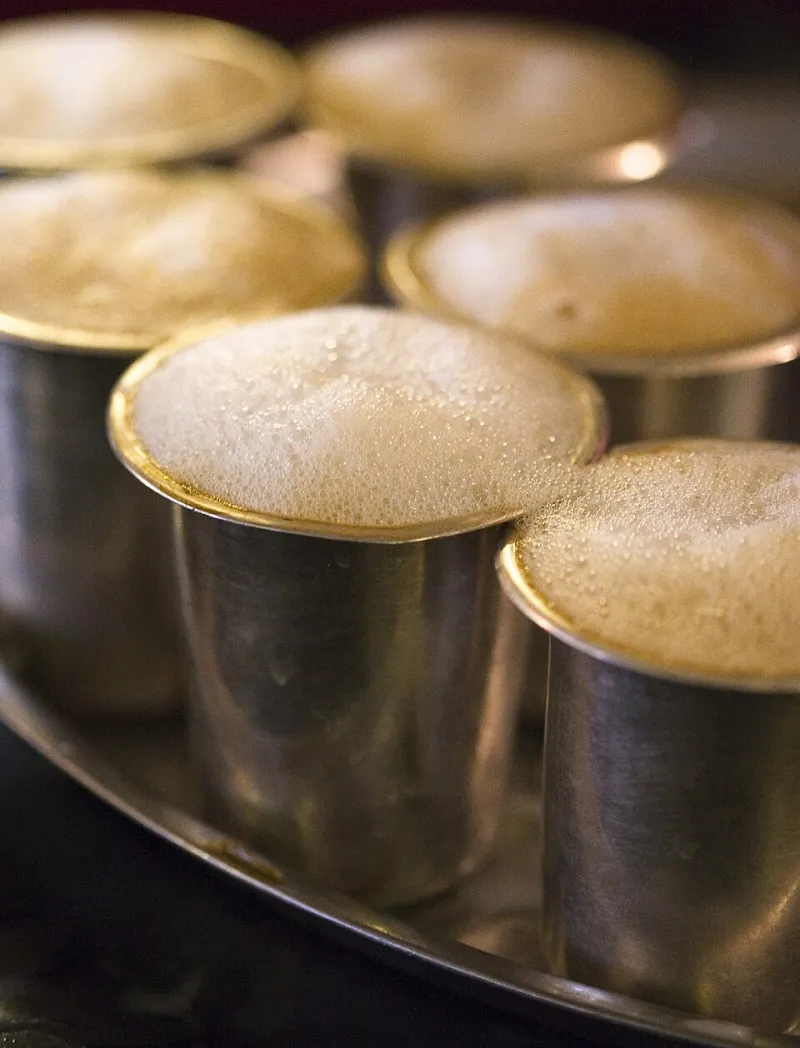
Photo: Charles Haynes, CC BY-SA 2.0, via Wikimedia Commons
There is a certain romance to espresso and dark chocolate. Two small, intense things placed side by side. It looks good on a saucer, and it feels pleasantly Continental in a way that a mug of filter coffee does not. But romance is not the same as compatibility. In the glass — or rather, in the cup — espresso often turns up with a megaphone. Dark chocolate, especially the serious sort, is more of a low-register conversationalist. Put them together carelessly and you get a shouting match rather than a partnership.
Filter coffee, by contrast, has room to breathe. It is brewed longer, diluted more thoughtfully, and served in a way that lets aromatics unfold rather than compacting them into a 25-second burst. That clarity is exactly what dark chocolate needs. This is not an argument against espresso. It is an argument for giving filter the first seat at the table when the chocolate is the main event.
Why the humble filter pot deserves a second look
Espresso is concentrated by design: less water, more pressure, a syrupy body and a finish that can cling to the palate. Those are fine qualities in isolation. Beside a 70 per cent bar, though, the coffee’s roasted intensity can flatten the chocolate’s fruit, smear its acidity, and leave the cocoa tasting like a supporting actor. You end up remembering the coffee and merely tolerating the chocolate.
Filter coffee works differently. The longer contact time pulls out flavour more gradually, and the paper filter traps some oils and fine particles. The result is usually lighter in texture and more transparent in flavour. You can taste the difference between a Kenyan and a Guatemalan in a way that espresso sometimes blurs. That transparency is a gift when you are trying to notice what a bar is doing — its fruit, its bitterness, its snap and its slow finish.
There is also the matter of temperature and pace. A filter coffee cools in the cup, changing as it goes. Dark chocolate changes as it melts. Both reward a slower tempo. That is a very grown-up sort of pleasure: not a hit, but a conversation.
Three rules for a pairing that actually works
1. Match weight, not wattage
The first mistake is assuming that the strongest coffee needs the strongest chocolate. It rarely works. A dense, high-cocoa bar with a heavy espresso can feel like two people talking over each other. Instead, match the body of the brew to the weight of the chocolate. A clean, medium-bodied filter coffee suits a 65–75 per cent bar with fruit and acidity. A rounder, sweeter filter brew — say a Brazilian or a gentle Colombian — can handle a 75–80 per cent bar with more cocoa depth. If the chocolate is very bitter and lean, choose a coffee with a little more sweetness rather than more roast.
2. Use acidity as a bridge
Good filter coffee often has a bright, gentle acidity: citrus, red berry, stone fruit. Serious dark chocolate can have the same. When those acids line up, the pairing sings. A Kenyan filter with blackcurrant and grapefruit notes loves a dark bar with cherry or raspberry lift. A washed Ethiopian with jasmine and bergamot can make a fruity 70 per cent taste more precise. The point is not to overpower the chocolate with coffee acidity, but to let the two echo each other. If one is sharp and the other is flat, the mismatch will be obvious.
3. Let sweetness meet sweetness
Bitterness is easy to talk about, but sweetness is where the pairings are won. Filter coffee’s sweetness is often gentler than espresso’s caramelised punch. That is useful. A bar with dried fruit, honey or a touch of vanilla needs a coffee that does not taste like burnt sugar. Look for descriptors such as brown sugar, maple, red apple or milk chocolate on the coffee bag — not because you need to match the words exactly, but because they suggest a softer landing. If the chocolate is very dry and savoury, a sweeter filter brew can round it out without smothering it.
UK-roasted styles worth seeking out
You do not need a laboratory. You need a decent bag of beans from a UK roaster and a brew method you trust. For filter, ask for something roasted for filter rather than espresso; the roast profile is usually lighter and the flavours more articulate. Kenyan washed coffees are excellent with fruit-forward dark chocolate. Colombian washed coffees tend to be rounder and more forgiving, good with 70 per cent bars that have a bit of red fruit and cocoa. Guatemalan or Honduran coffees often bring chocolate and soft spice, which suits bars with dried fruit and a gentle bitterness. A Brazilian pulped natural can be sweet and nutty, the sort of thing that flatters a 75 per cent bar on a cold afternoon. Ethiopian washed coffees are the show-offs: floral, citric, tea-like. Try one with a high-cocoa bar that has real fruit rather than just bitterness.
In the UK, independent roasters are increasingly clear about brew suitability, and many high-street coffee shops sell filter-roast bags alongside the espresso. Look for a roast date, not just a best-before. Freshness matters, but so does rest: a week or two after roasting is often a sweet spot for filter.
How to taste both without one shouting over the other
Start with the chocolate, not the coffee. Let a small square melt on the tongue. Notice the texture, the first flavour, the finish. Then take a sip of coffee — small, not a gulp — and let it move around the mouth. Wait. The point is not to chew and swallow like a race. The point is to see what the coffee does to the chocolate’s aftertaste, and what the chocolate does to the coffee’s finish.
Keep a glass of water nearby. It is not cheating; it is editing. A sip of water resets the palate so the next taste is clear. If the coffee is too hot, wait. Heat flattens nuance and makes bitterness more prominent. If the chocolate is too cold, let it warm slightly in the hand. Both are better at room temperature than straight from the fridge.
Finally, resist the urge to finish the cup before the chocolate. Alternate. Let the coffee cool. The last third of a filter brew is often where the sweetness and fruit show up, and that can be the best moment for the final square.
A closing note on espresso
None of this means espresso has no place. A short, sweet espresso with a square of 60 per cent chocolate can be a fine thing, especially after dinner. But if you want to taste the chocolate properly — its origin, its acidity, its long finish — filter coffee is usually the more generous host. It gives the cocoa room to speak. And in a pairing, that is the whole point.