Brisk, Malty, Smoky: Giving Dark Chocolate a Proper Tea Companion
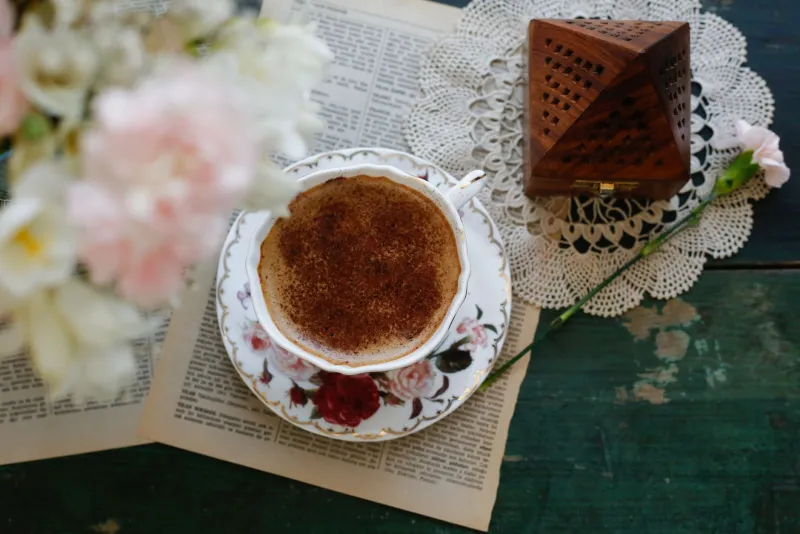
Tea gets a raw deal in chocolate pairing. Wine gets the tasting glasses, whisky gets the reverent pauses, and tea gets a mug and a biscuit. That is a shame, because a good cup of tea has exactly the sort of structure that grown-up chocolate responds to: tannin, fragrance, a bit of grip, and a finish that can either lift a bar or flatten it.
The trick is not to treat tea as a neutral hot drink. Think of it as a companion with its own weight and edges. A brisk Assam and a delicate first-flush Darjeeling are not interchangeable, any more than a 60% bar and an 80% bar are. Match them badly and the chocolate tastes drying or the tea turns thin. Match them well and both seem to improve.
Start with brew strength, not cocoa percentage
Cocoa percentage tells you how much of the bar is cocoa solids and butter, but it does not tell you how astringent or fruity it will taste. A 70% bar can be soft and plummy; another can be lean and tannic. Tea is the same. Leaf quantity, water temperature and steeping time change the brew far more than the label on the box.
That matters because tannin is the shared territory. Brew tea strong enough and it will coat the mouth, drying the palate and making high-cocoa chocolate feel even more grippy. Brew it too weak and a bold 75% bar will bulldoze it. The useful question is not “what percentage goes with tea?” but “how much weight does this cup have?”
As a rule, match intensity first, then look for contrast. Malty teas like a bar with dried fruit and brownie edges. Bright, citrusy teas like a bar with red-fruit acidity. Smoky teas need chocolate that can stand up to smoke without turning bitter. And if you add milk, you soften the tannin — which changes the whole equation.
The reliable matches
Assam and a malty 65–70%. This is the comfort pairing, but it is not boring. A proper Assam has malt, a little dried fruit and enough body to meet a bar with caramel or cocoa-nib bitterness. Keep the brew strong but not stewed. If the tea has gone tannic and cloudy, the chocolate will taste harsher than it is.
Ceylon and a fruity dark. A bright Ceylon, especially one with a bit of citrus or blackcurrant, works nicely with a 65–70% bar that has red-fruit acidity. The tea’s briskness keeps the chocolate from feeling heavy; the chocolate’s fruit stops the tea tasting thin. This is a good place to start if you usually find dark chocolate a bit earnest.
Earl Grey and a citrusy 60–65%. Bergamot is the point here, so do not fight it. A bar with orange peel, dried cherry or a gentle floral note will echo the perfume. Avoid anything very bitter or heavily roasted; the bergamot can make high-cocoa tannin taste almost soapy. A lighter bar, taken slowly, is the safer bet.
Darjeeling and a 60–70% depending on flush. First flush is floral and delicate, so go lighter: a 60–65% bar with tea-like tannin and a clean finish. Second flush has more musk and fruit, and can take a 70% bar with dried fruit. This is the pairing for a Sunday afternoon when you want to pay attention without making a ceremony of it.
Lapsang Souchong and a smoky 70–75%. This is the obvious match, but it is obvious for a reason. The smoke in the tea and the smoke in the chocolate — whether from roasting, origin or a touch of sea salt — can line up beautifully. Keep the brew short. Lapsang left to stew tastes like an ashtray, and no bar deserves that.
The ones that surprise
Try a strong builder’s tea — the sort with a splash of milk — alongside an 80% bar. It sounds wrong, but the milk rounds off the tea’s tannin while the chocolate’s bitterness cuts through the softness. You get less astringency than you would with black tea and a high-cocoa bar, and the whole thing tastes oddly complete. It is not refined, but it is genuinely good.
Another useful curveball: Lapsang Souchong with a 65% bar with dried cherry or plum. Smoke and fruit can feel like a cliché in wine, but with tea it is fresher and less ponderous. The fruit keeps the smoke from dominating; the smoke makes the fruit taste darker. If you are the person who says they do not like smoky things, try this before you decide.
The milk question
Milk changes tea’s tannin, so it changes the pairing. A splash of milk makes black tea softer and rounder, which means you can often go darker with the chocolate than you would with the same tea taken black. But it also mutes the tea’s brighter notes, so very fruity or floral bars can feel a bit lost. If you take milk, lean towards chocolate with malt, caramel, nuts or dried fruit rather than high acidity.
Black tea, no milk, is less forgiving. The astringency is more pronounced, so keep the chocolate either fruitier and lighter or properly rich enough to absorb the grip. Do not assume a higher percentage is always the grown-up choice. Sometimes a 65% bar with a bit of fruit is the more grown-up choice because it lets the tea speak.
How to taste without making a fuss
You do not need a teapot, a timer and a tasting sheet. Make a cup you actually like, let it cool for a minute, and take a bite of chocolate. Then sip. Notice whether your mouth feels dry, whether the chocolate tastes sweeter or more bitter, and whether the finish is pleasant. That is the whole test.
If you want to be slightly more deliberate, brew the tea a little weaker than usual and taste alongside a bar you know well. Then brew it stronger and taste again. The difference will tell you more than any rule about percentages. Tea is a forgiving companion, but it does notice when you are not paying attention.
And if someone offers you a cup of tea instead of a glass of wine with your chocolate, do not see it as a consolation prize. A brisk Assam, a smoky Lapsang and a decent dark bar can hold their own against most things. The teacup test is not about restraint. It is about giving chocolate another proper companion — and finding out which one it prefers.